Where to stay
in Kyoto
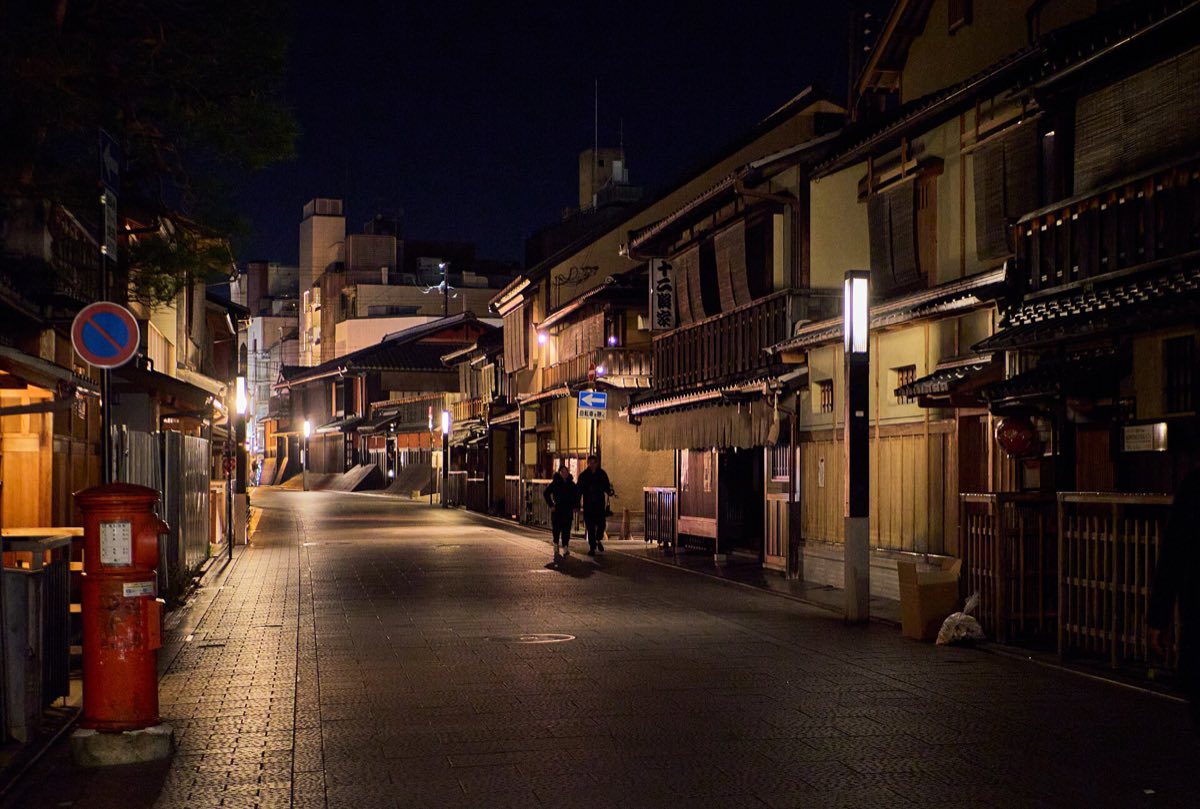
The bed decides the trip. Sleeping inside Kyoto buys the two hours that make the city — Fushimi Inari at 06:00 and Gion after 19:00 — and which district you pick decides whether you spend those hours walking or on a bus. Seven districts, real price bands, and the 2026 lodging tax nobody warned you about.
Downtown — Kawaramachi and Karasuma, beside the Kamo River — is the first-timer answer: two subway lines, a thousand restaurants, and Gion 12 minutes away on foot for $150–300 a night. Gion is atmosphere at a premium and only pays back if you use dawn and dusk. The station area is where you save money and lose the evenings. Arashiyama is a one-night splurge, not a base. And since 1 March 2026 every Kyoto bed carries a lodging tax of ¥200 to ¥10,000 per person per night.
Every Kyoto district, compared
Nightly rates are for two people in high season, before the lodging tax. Walk times are real walking, not optimistic mapping.
| District | Nearest line | Walk to Gion | Budget | Mid | Luxury | Best for | Avoid if | Verdict |
|---|---|---|---|---|---|---|---|---|
| Downtown | Karasuma + Tozai subways · Hankyu | 12 min | $70–130 | $150–300 | $600–1,500 | First trips, food, families | You want old-Kyoto out the window | WORTH IT |
| Gion | Gion-Shijo (Keihan) | You are in it | $120–200 | $250–450 | $800–2,000+ | Couples, photographers, dawn temples | You are on a budget or want bars | DEPENDS |
| Kyoto Station | Everything, in one building | 15–20 min by bus | $40–110 | $130–250 | $350–700 | Day trips, luggage, early trains | You want an evening | DEPENDS |
| N. Higashiyama | Keage + Higashiyama (Tozai) | 20 min | $70–130 | $150–300 | $350–600 | Second trips, walkers, autumn | You want restaurants nearby | WORTH IT |
| Arashiyama | JR Saga-Arashiyama | 40–50 min | $60–100 | $200–400 | $700–2,500 | One romantic night | You need a base | DEPENDS |
| Nishijin | Imadegawa (Karasuma), 10–20 min walk | 35 min | $50–90 | $220–570 machiya | Machiya only | Groups, 3+ nights, townhouses | You are here two nights | DEPENDS |
| Uji | JR Nara Line, 17 min from Kyoto | 45 min | $60–110 | $130–250 | $300–500 | Tea, Nintendo, dodging the tax | You want to be in Kyoto | DEPENDS |
One line if you skip everything else: book downtown between Karasuma-dori and the river. It is the only district where price, transit, food and walking distance to Gion all land in the same place. The head-to-head with the obvious alternative is at Gion vs Downtown.
The Kyoto lodging tax, and how to avoid it legally
Since 1 March 2026 Kyoto charges an accommodation tax per person per night, banded by room rate. It is collected at check-in or added to your booking, and it is not included in the price you saw.
The five bands: under ¥6,000 → ¥200 · ¥6,000–19,999 → ¥400 · ¥20,000–49,999 → ¥1,000 · ¥50,000–99,999 → ¥4,000 · ¥100,000 and above → ¥10,000, per person, per night. Note it is banded on the room rate, not per person, so a ¥30,000 room for two costs ¥2,000 a night in tax, not ¥1,000.
For a normal trip this is noise: two people, four nights in a ¥15,000 business hotel is ¥3,200 total, which should not change any decision. At the top it bites — two people for five nights in a ¥120,000 ryokan suite is ¥100,000 in tax alone.
The workaround, if you want it: the tax is levied by Kyoto City, so neighbouring municipalities do not charge it. Uji is 17 minutes and ¥240 away. Otsu, on Lake Biwa, is 9 minutes and ¥200 from Kyoto Station. Nara is 35–45 minutes. None of the three charges Kyoto's tax, and Otsu in particular is a genuine commute rather than a compromise.
Two other 2026 money changes worth knowing before you budget: the Japan departure tax tripled to ¥3,000 per person from 1 July 2026, built into airfares, and from 1 November 2026 tax-free shopping becomes a refund system — you pay the 10% at the till and claim at customs on departure. Run the whole thing on what Kyoto costs in 2026.
How far ahead to book a Kyoto hotel
Availability disappears long before price does in Kyoto. The pattern below is consistent year to year — book a free-cancellation rate early and re-shop it later.
Ryokan, hotel or machiya?
Three different products, and most good Kyoto trips use two of them. The mistake is booking one type for the whole stay.
Hotel — the default, and the right call for most nights. Business hotels at ¥8,000–20,000 are small, spotless, reliable and near a station. International luxury has arrived in force since 2020, almost all of it in Higashiyama. Book this for the bulk of the trip and spend the savings elsewhere.
Ryokan — worth one or two nights, not a week. You are paying ¥25,000–80,000 per person for a tatami room, futon bedding, a private or shared onsen bath, and a kaiseki dinner served in your room. It is an event, and by night three it is a routine with an early breakfast attached. Detail on is a ryokan worth it.
Machiya — a whole wooden townhouse at ¥35,000–90,000 a night plus a cleaning fee, with a kitchen, a courtyard garden and near-vertical stairs. It only makes sense with three or more people and three or more nights. Nishijin has the deepest supply.
The common structure that works: two or three nights in a downtown hotel, one night in a ryokan or a machiya, and if you are here four nights or more, one night in Arashiyama on the river. And if you are still deciding between cities, read Kyoto vs Osaka first — the answer there changes everything below it.
Compare Kyoto beds
Prices move fastest for cherry blossom and late November — book six to nine months out for those and two to four weeks in winter or June. Free-cancellation rates are worth the small premium in a city where availability vanishes before price does.
Where to stay in Kyoto FAQ
What is the best area to stay in Kyoto for first-timers?
Downtown — the block between Karasuma-dori and the Kamo River. Two subway lines cross there, Kyoto Station is 4 minutes and ¥220 away, Gion is a 12-minute walk, and mid-range rooms run $150–300 against $250–450 in Gion for the same standard.
How much is the Kyoto tourist tax?
Since 1 March 2026 it is a lodging tax charged per person per night, banded by room rate: ¥200 under ¥6,000, ¥400 for ¥6,000–19,999, ¥1,000 for ¥20,000–49,999, ¥4,000 for ¥50,000–99,999 and ¥10,000 at ¥100,000 and above. It is collected at check-in and is not in the advertised rate.
How do I avoid the Kyoto lodging tax?
Sleep in a different municipality. Otsu is 9 minutes and ¥200 from Kyoto Station, Uji is 17 minutes and ¥240, and Nara is 35–45 minutes — none of them charges Kyoto's tax. For a normal mid-range trip the saving is small; for a ryokan trip it is not.
How far ahead should I book a hotel in Kyoto?
Six to nine months for cherry blossom and the 20 November to 5 December autumn peak, six or more for Golden Week and Obon, three to six for Gion Matsuri in mid-July, and two to four weeks for winter and June. Availability disappears before price does, so book refundable early.
Is it worth staying in Gion?
Only if you will use dawn and dusk. Gion's value is walking to Kiyomizu-dera for its 06:00 opening and back down Hanamikoji at 21:00. If your day runs 09:30 to 18:00, book downtown, walk over for the evening, and keep $100 a night. Full comparison at Gion vs Downtown.
Should I stay in Kyoto or Osaka?
Kyoto, if temples are the point and you have three days or more — sleeping here is what buys the empty hours. Osaka wins on nightlife, food and hotel price, and is 29 minutes and ¥580 away. On four nights or more, split two and two. Full verdict on Kyoto vs Osaka.
What is the cheapest area to stay in Kyoto?
The station area: hostel beds $30–60, business hotels $40–110, and even real ryokan from about $100. Nishijin guesthouses at $50–90 are the next cheapest. Both cost you evening atmosphere, which is the thing you are actually buying in this city.
Do I need to stay near a subway station in Kyoto?
Near a train station of some kind, yes. Kyoto's buses are slow and crowded, the ¥700 tourist bus day pass was abolished in 2023–24, and the surviving Subway & Bus 1-Day Pass at ¥1,100 only pays back over four rides. Every district in the table above is judged partly on this.