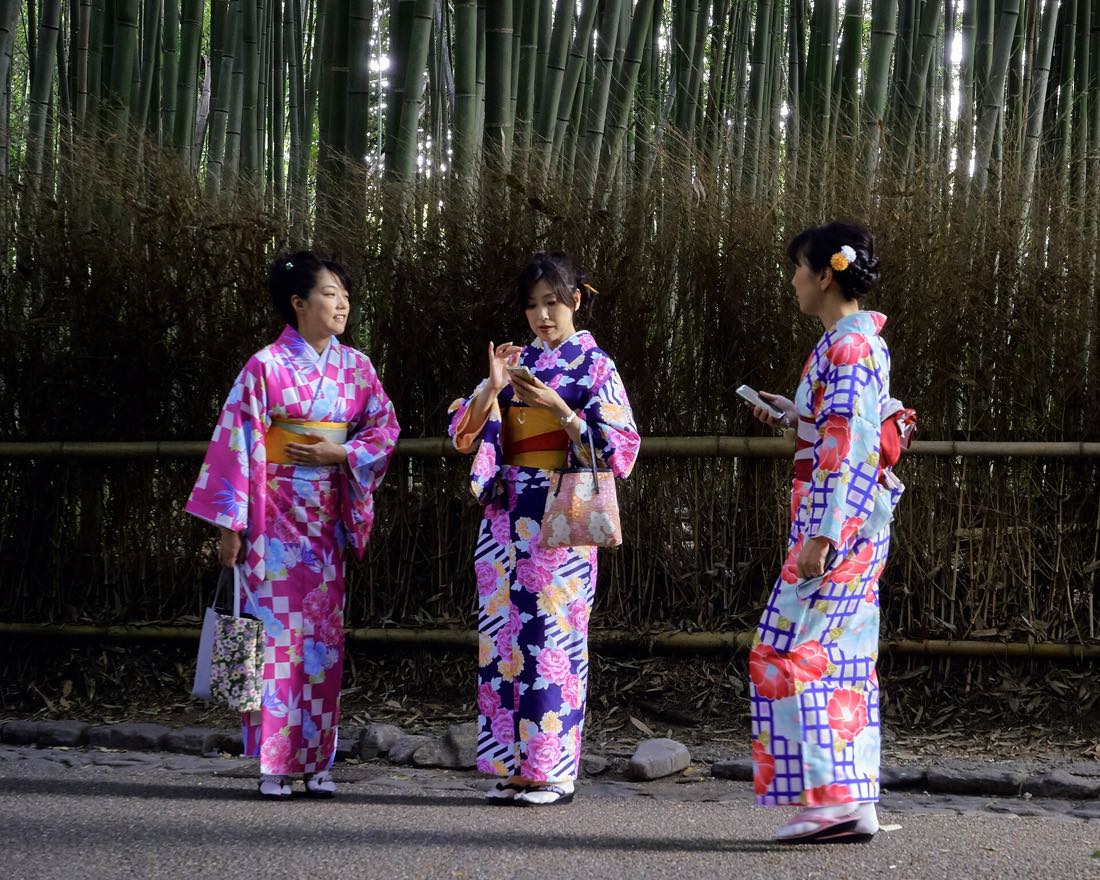
Is kimono rental in Kyoto worth it?
It is one of the best-value experiences in Kyoto at the right time of year. A basic rental is ¥3,000–4,000 for the day, ¥5,000–7,000 with hair styling, and the stone lanes of Higashiyama were built for the photographs you will take. In April or November it is a delight. In August, inside multiple layers with an obi belt tight around your ribs at 35°C and 80% humidity, it is genuinely unpleasant, and no amount of enthusiasm fixes that. The other honest warning is footwear: geta on Kiyomizu's slopes hurt within an hour.
What kimono rental actually costs in Kyoto
Prices are per person for a same-day rental, walk-in or pre-booked. Almost every shop includes the obi, the undergarment, the bag and the footwear in the headline price.
| Package | Price | What you get | Worth it? |
|---|---|---|---|
| Basic rental | ¥3,000–4,000 | Kimono, obi, undergarments, tabi socks, geta or zori, a small bag, and dressing by staff. Usually the previous season's fabrics | WORTH IT |
| With hair styling | ¥5,000–7,000 | The above plus a set style with ornaments. This is the tier most people should book — undressed hair with a kimono is the thing people notice in the photos | WORTH IT |
| Couples package | ¥7,000–12,000 | Two outfits, usually a men's kimono and haori with the women's set. Men's rentals are simpler, faster and cooler to wear | WORTH IT |
| Photoshoot package | ¥10,000–30,000 | A professional photographer for 30–90 minutes in Higashiyama or Arashiyama, with edited files delivered. The upper end includes studio time and a maiko-style makeover | DEPENDS |
| Premium or antique kimono | ¥8,000–15,000 | Better silk, older patterns, more choice. Genuinely different in photographs, and mostly invisible to anyone who is not looking for it | DEPENDS |
Add-ons that are usually free and worth asking for: bag storage while you wear the kimono, a hand warmer in winter, and next-morning return at some shops for an extra fee. A same-day return is normally required by 17:30 or 18:00, which is the single biggest constraint on your day — plan to be back in the district by 17:00.
The vendors worth using, and how to pick one
There are well over a hundred rental shops in Kyoto and the difference between them is location, the size of the selection, and how long they keep you waiting on a Saturday morning.
Yumeyakata — near Gojo station, one of the largest operations in the city, with a huge selection at the ¥3,000–4,000 end and an efficient process. The default answer for most people. Book a morning slot online; walk-ins on a spring weekend can mean a long wait.
Okamoto — operating since 1830, with several branches in Higashiyama including one right at the bottom of the Kiyomizu approach. That location is the product: you step out of the shop directly into the lanes you want photographs in, rather than crossing the city in geta.
Wargo — a national chain with branches near Kyoto Station and downtown, standardised pricing and English service throughout. Least atmospheric, most predictable, and easy to book from abroad.
How to choose: pick the branch nearest the district you want to walk, not the cheapest one. Twenty minutes on a subway in an obi and unfamiliar footwear is the part of the day people complain about. Higashiyama is the classic backdrop; Arashiyama is the second choice and much better in autumn; Nishijin, the historic textile district, is where the fabric actually comes from.
Timing the day: arrive at opening, usually 09:00, to get the best of the selection and to be photographing empty lanes by 10:00. Dressing takes 30–60 minutes with hair. Then you have until about 17:30, which is a full day if you start at nine and half a day if you start at one.
Two things nobody tells you before booking
The photographs are excellent. The wearing of it has two specific problems, and both are worse in Kyoto than they would be anywhere else in Japan.
The footwear will hurt. Geta are raised wooden sandals held on by a thong between the toes, and Higashiyama is uneven stone, steep slopes and a lot of steps — Sannenzaka and Ninenzaka literally translate as the three-year and two-year slopes. An hour in is when most people start walking oddly. Ask for zori (flat, softer) rather than geta if the shop offers a choice, wear the tabi socks properly, and put plasters on the space between your big and second toe before you leave the shop. Nobody regrets doing this.
Summer is brutal. A kimono is several layers with an obi wound firmly around your middle, worn in a city that hits 35°C with high humidity through July and August in a valley that holds heat. The lightweight summer alternative, a yukata, is cotton, single-layered, cheaper at around ¥2,500–3,500, and is what you should rent between June and September if you rent anything. Even then, aim for a morning slot and stay near shade and water.
The good months are April, May, October and November. Cool enough to be comfortable, and both blossom and maples are exactly the backdrop the garment was designed against. Winter works too, with a haori jacket over the top — December and January are cold but clear, and the lanes are empty.
Is it cultural appropriation to wear a kimono in Kyoto?
Short answer: no, and the debate is largely a Western one. The Japanese consensus, including from the kimono industry and the city itself, is that visitors wearing kimono is welcomed.
Kimono rental exists in Kyoto because Japanese people wanted it — domestic tourists, students and couples have been renting them here for decades, and foreign visitors joined an established market rather than creating one. The industry has shrunk enormously since the war and rental tourism is one of the things keeping textile workshops alive.
The real local complaint is congestion, not costume. What generates friction in Kyoto is groups of any nationality blocking a narrow lane for a photoshoot, standing in a resident's doorway, or wandering into the private alleys off Hanamikoji that have been closed to tourists since April 2024 with fines up to ¥10,000. Wear the kimono; do not stop in the middle of a working street to be photographed in it.
Two points of etiquette that do matter. Wrap left over right — right over left is how the dead are dressed, and any rental shop will fix it for you. And a rented kimono is not a maiko costume; if you want the full white makeup and hairstyle, book an actual maiko makeover, which is a separate, more expensive and more careful experience.
Is kimono rental for you?
Kimono rentals and photoshoots
Book a morning slot, especially on a spring or autumn weekend — walk-ins at 11:00 in April can mean an hour of waiting and the picked-over end of the rail.
Kyoto kimono rental FAQ
How much does it cost to rent a kimono in Kyoto?
¥3,000–4,000 for a basic full-day rental including the obi, undergarments, footwear and dressing by staff. ¥5,000–7,000 with hair styling, which is the tier most people should book. Couples packages run ¥7,000–12,000, and a professional photoshoot is ¥10,000–30,000.
Is kimono rental in Kyoto worth it?
Yes in April, May, October and November, when the weather suits it and the backdrops are at their best. No in July and August, when several layers and a tight obi at 35°C is genuinely miserable — rent a lightweight cotton yukata at ¥2,500–3,500 instead if you must.
What time do I have to return the kimono?
Usually 17:30 or 18:00 on the same day, which is the biggest constraint on your plans. Some shops offer next-morning return for an extra fee. Arrive at the 09:00 opening for the best selection and to be walking empty lanes by 10:00.
Is it disrespectful for a foreigner to wear a kimono in Kyoto?
No. The Japanese consensus, including from the kimono industry itself, is that visitors wearing kimono is welcomed — the debate is largely a Western-internet one. Wrap left over right, and understand that the real local complaint is people blocking narrow streets for photographs, not who is wearing what.
Where is the best place to wear a kimono in Kyoto?
Higashiyama, and specifically the Sannenzaka and Ninenzaka lanes below Kiyomizu-dera — they were built for this. Arashiyama is the second choice and better in autumn. Rent from a shop in the district you plan to walk rather than the cheapest one across town.
Are geta uncomfortable to walk in?
Yes, on Higashiyama's stone slopes especially. Ask for flat zori instead if the shop has them, wear the tabi socks properly, and put a plaster between your big and second toe before you leave the shop. Most people start feeling it about an hour in.
Can men rent a kimono in Kyoto?
Yes, and it is easier — men's sets are simpler, faster to put on and cooler to wear. Couples packages at ¥7,000–12,000 cover both and are the most common booking. Men's rentals on their own usually run ¥3,500–5,000.